Introduction:
In Perth’s booming property development landscape, particularly in the granny flat and secondary dwelling sector, the choice of paint finishes can have a significant environmental impact. As developers strive to meet the demand for compact, self-contained spaces in areas like Mount Claremont, it is crucial to consider not only the aesthetic appeal but also the ecological consequences of their projects. Understanding the environmental implications of paint choices empowers developers to make informed decisions, reduce their carbon footprint, and contribute to a more sustainable future for Western Australia. This article explores the environmental considerations of paint selections, offering guidance on regulatory compliance and responsible waste management practices.
Understanding the Environmental Impact of Paint Choices:
The environmental impact of paint choices extends beyond the colour or finish selected. Paint formulations vary significantly, and some traditional solvent-based paints can have harmful effects on the environment. Volatile organic compounds (VOCs) are a primary concern, as these chemicals can contribute to air pollution and have negative consequences for human health. VOCs are released during the painting process and can continue to off-gas for some time afterwards, affecting indoor air quality and potentially causing respiratory issues.
Eco-Friendly Paint Alternatives:
Water-based paints, also known as acrylic or latex paints, offer a more environmentally friendly alternative to solvent-based options. These paints use water as the primary solvent, reducing the presence of harmful VOCs. Water-based paints have lower odour, faster drying times, and easier clean-up compared to their solvent-based counterparts. Additionally, advancements in paint technology have resulted in the development of natural or organic paints, which utilise sustainable and non-toxic ingredients, minimising their environmental impact.
Compliance and Regulatory Considerations:
Understanding VOC Regulations:
In Australia, the management of VOC emissions is governed by various regulations and standards. The National Pollutant Inventory (NPI) provides guidance on VOC reporting, helping businesses understand their environmental obligations. Additionally, the National Construction Code (NCC) sets out requirements for the selection and use of building materials, including paints and coatings, to ensure they meet relevant health and environmental standards. Compliance with these regulations is essential to avoid legal consequences and contribute to a healthier, more sustainable built environment.
Responsible Waste Disposal Practices:
Proper Paint Disposal:
Responsible waste disposal is a critical aspect of environmental stewardship in the painting industry. Proper disposal of paint waste minimises the risk of environmental contamination and ensures compliance with local regulations. Developers should separate reusable and recyclable materials, such as empty paint tins, from hazardous waste. Hazardous waste, including leftover paint and contaminated materials, requires specialised disposal methods to prevent soil and water pollution. Engaging qualified waste management services ensures that paint waste is handled, transported, and disposed of correctly.
Striking a Balance: Visual Appeal and Sustainability:
Choosing the Right Paint for the Job:
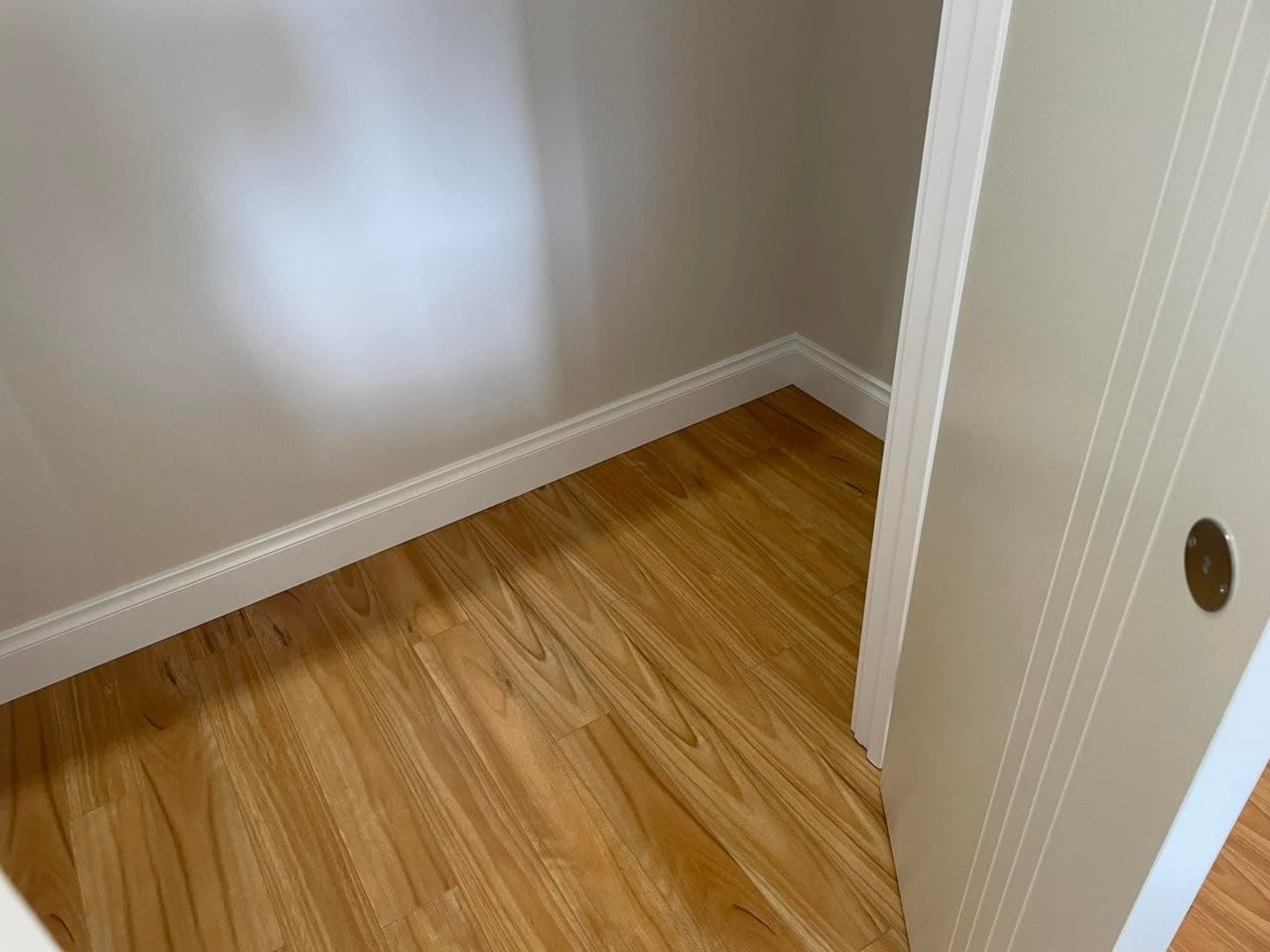
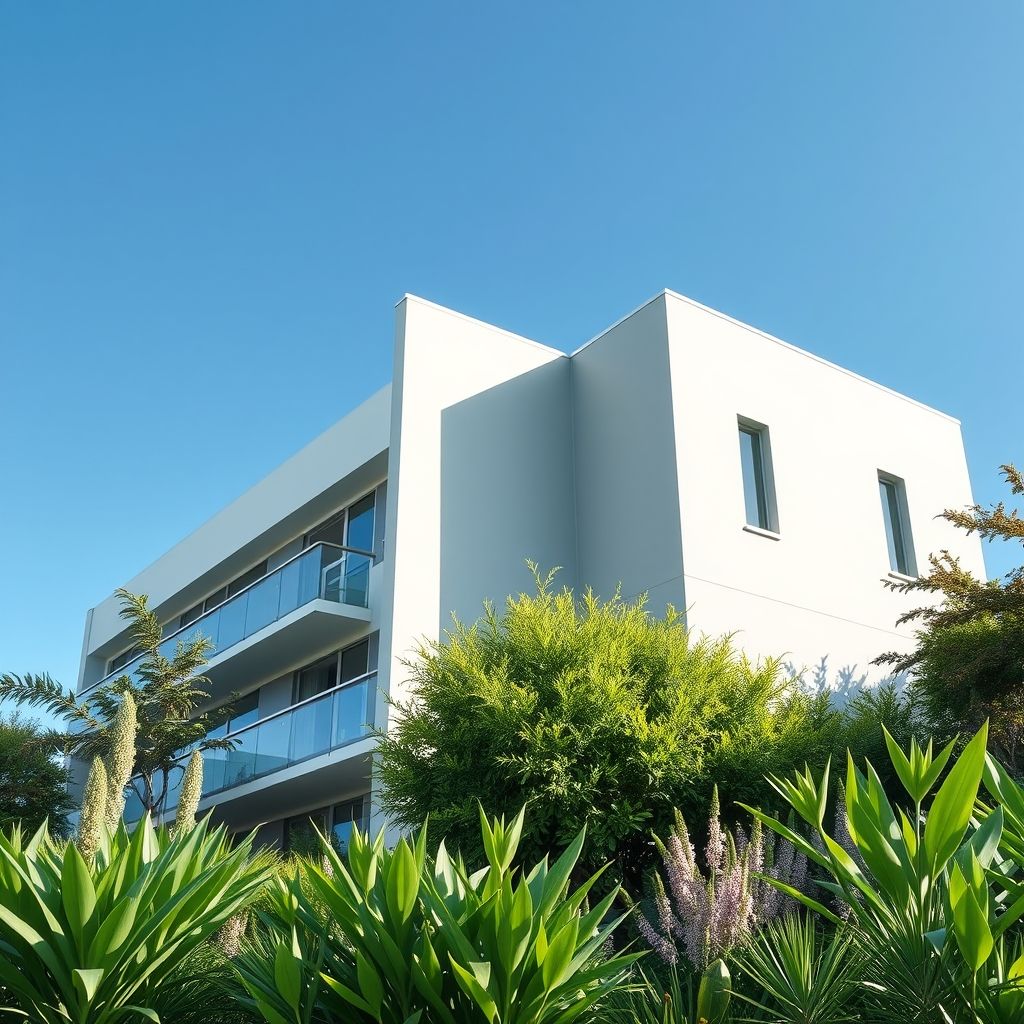
Property developers can strike a balance between visual appeal and sustainability by selecting the right paint for the specific project requirements. Durable and long-lasting paint finishes reduce the need for frequent repainting, thereby decreasing the environmental impact over the life of the building. Low-sheen or matte finishes are often preferred for interior walls as they reflect less light and create a smooth, modern aesthetic. Exterior paints should be specifically formulated to withstand Perth’s unique climate, including sun, wind, and salt exposure, to maintain the building’s appearance and integrity.
FAQs
How do I choose environmentally friendly paint?
When selecting paint, look for water-based or acrylic options, which have lower VOC levels and are more environmentally friendly. You can also explore natural or organic paints made from sustainable and non-toxic ingredients. Check for environmental certifications or ecolabels that assure the paint’s low environmental impact.
What are the benefits of using eco-friendly paint?
Eco-friendly paints offer multiple advantages. They improve indoor air quality by reducing the release of harmful VOCs. They also contribute to a healthier living environment, minimising the risk of respiratory issues associated with solvent-based paints. Additionally, water-based paints are typically easier to work with, offering low odour, faster drying times, and simpler clean-up processes.
How can I ensure compliance with VOC regulations?
Stay informed about the latest VOC regulations and standards, such as those outlined in the National Pollutant Inventory (NPI) and the National Construction Code (NCC). Consult with paint suppliers and manufacturers to ensure the selected products comply with these regulations. Regularly review and update your practices to maintain compliance and minimise environmental impact.
What is the proper way to dispose of paint waste?
Responsible paint waste disposal involves separating reusable and recyclable materials from hazardous waste. Engage qualified waste management services to handle, transport, and dispose of hazardous paint waste correctly, minimising the risk of environmental contamination. Leftover paint can also be recycled or donated to community groups for reuse.
How can I balance sustainability with the desired aesthetic for my development?
Striking this balance involves choosing durable, long-lasting paint finishes that reduce the need for frequent repainting. For interior walls, low-sheen or matte finishes create a modern aesthetic, while exterior paints should be specifically formulated to withstand Perth’s unique climate, ensuring the building’s appearance is maintained.
Key Information
| Topic | Description |
| — | — |
|---|---|
| Compliance | National Pollutant Inventory (NPI) provides guidance on VOC reporting. National Construction Code (NCC) sets standards for building materials, including paints, to meet health and environmental standards. |
| Waste Disposal | Proper disposal of paint waste is critical to prevent environmental contamination. Separate reusable/recyclable materials from hazardous waste, and engage qualified waste management services. |
| Striking a Balance | Choose durable, long-lasting paint finishes to reduce repainting. Low-sheen or matte finishes create a modern interior aesthetic, while exterior paints should withstand Perth’s climate. |
| VJC Painting’s Role | VJC Painting assists developers in making informed paint choices, ensuring compliance, and providing sustainable solutions for granny flat developments in Mount Claremont, Perth. |
| Eco-Friendly Paint Alternatives | Water-based paints (acrylic or latex) offer a more environmentally friendly option with lower VOC levels. Natural or organic paints use sustainable, non-toxic ingredients. | | Compliance | National Pollutant Inventory (NPI) provides guidance on VOC reporting. National Construction Code (NCC) sets standards for building materials, including paints, to meet health and environmental standards. | | Waste Disposal | Proper disposal of paint waste is critical to prevent environmental contamination. Separate reusable/recyclable materials from hazardous waste, and engage qualified waste management services. | | Striking a Balance | Choose durable, long-lasting paint finishes to reduce repainting. Low-sheen or matte finishes create a modern interior aesthetic, while exterior paints should withstand Perth’s climate. | | VJC Painting’s Role | VJC Painting assists developers in making informed paint choices, ensuring compliance, and providing sustainable solutions for granny flat developments in Mount Claremont, Perth. |
Conclusion:
Making informed paint choices that consider environmental impact is essential for responsible property development in Perth. By selecting eco-friendly alternatives, understanding compliance obligations, and implementing proper waste disposal practices, developers can contribute to a greener future for Western Australia. VJC Painting is committed to guiding clients through this process, ensuring their granny flat and secondary dwelling projects in Mount Claremont strike the perfect balance between visual appeal and sustainability.
Contact VJC Painting today to discuss how we can help you navigate the environmental considerations of paint choices, ensuring your developments not only look great but also minimise their ecological footprint. Together, let’s create sustainable spaces that Perth can be proud of.
These articles are drafted with AI assistance and should be considered general information not professional advice or information Learn More