Introduction:
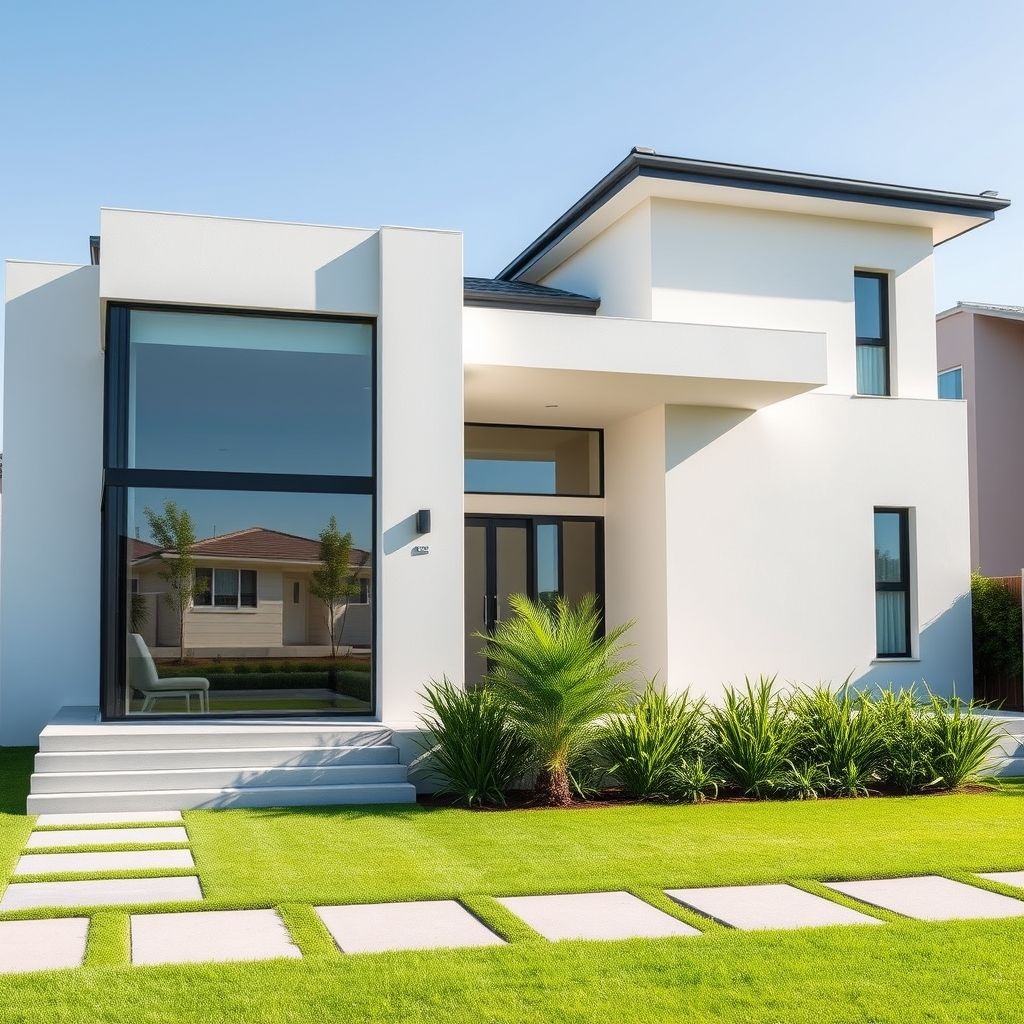
Are you a holiday home owner in Perth, Western Australia, looking to refresh your three-bedroom property in Woodlands? Perhaps you’re embarking on a heritage building restoration project and want to ensure a seamless and stylish finish. A fresh coat of paint is an excellent way to transform and add value to your space. This comprehensive guide will take you through the process of painting a three-bedroom house, with a focus on creating a cohesive and captivating colour scheme that flows effortlessly from room to room and out to your outdoor entertaining areas. We’ll offer professional tips and insights from VJC Painting, Perth’s leading painting specialists, to ensure a high-quality and long-lasting result.
Choosing the Right Colours for Your Three-Bedroom House
Selecting a colour scheme for your Perth home can be exciting yet overwhelming, with the vast array of colours and finishes available. Consider the following tips to make the process easier and ensure a cohesive and inviting space:
- – **Start with Inspiration:** Begin by finding colour inspiration that resonates with you. This could be a favourite artwork, a scenic photograph, or a colour palette from a magazine. Create a mood board or collect paint swatches to help visualise your scheme.
- – **Consider the Mood:** Think about the atmosphere you want to create in each room. Do you want a calm and relaxing bedroom or a vibrant and energetic living space? Cooler colours like blues and greens tend to be calming, while warmer tones like reds and oranges are more stimulating.
- – **Flow with a Colour Theme:** Choose a colour theme that will create a consistent flow throughout your home. This doesn’t mean every room needs to be the same colour, but rather, select a colour and use different shades and tones of it throughout. This creates a cohesive feel while still allowing for variety.
- – **Think About Lighting:** Lighting plays a crucial role in how colours appear. Natural light can vary between rooms, and artificial lighting also affects how colours are perceived. Test your chosen colours in the specific spaces to ensure they work with the lighting conditions.
Creating Seamless Transitions Between Indoor and Outdoor Spaces
Creating a seamless flow between your indoor and outdoor areas is an excellent way to make your home feel larger and more inviting. Here’s how to achieve this:
- – **Use Complementary Colours:** Choose colours that complement each other between your interior and exterior spaces. For example, if you have a neutral interior palette, add a pop of colour outdoors that ties in with your indoor accents. This could be in the form of feature walls, garden furniture, or decorative elements.
- – **Repeat Colours in Different Proportions:** Use the same colours inside and out, but vary the proportions. For instance, a dominant colour indoors could become an accent colour outdoors, helping to create a sense of balance and cohesion.
- – **Connect with Nature:** Bring the beauty of the Australian landscape into your colour scheme. Take inspiration from the rich reds of the Outback, the vibrant blues of the Indian Ocean, or the lush greens of our native flora. This creates a unique and authentic feel.
- – **Define Spaces with Colour:** Use colour to delineate different outdoor areas, such as a dining zone or relaxation corner. This helps create a sense of variety and purpose while still maintaining a cohesive overall look.
Preparing Surfaces for Painting
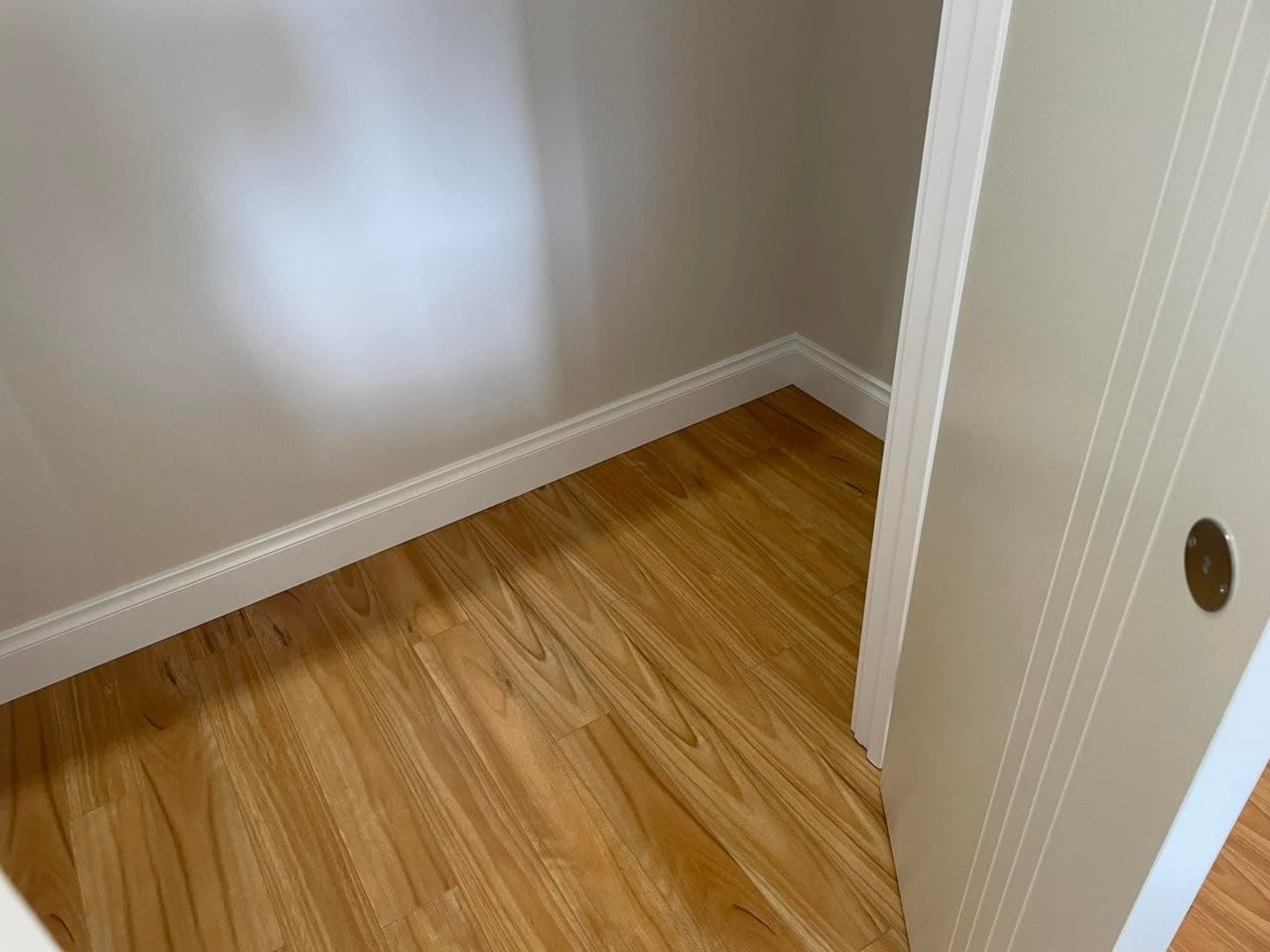
Proper surface preparation is critical to ensuring a high-quality, long-lasting paint job. Here are the key steps to prepare your three-bedroom house for painting:
- – **Clean and Repair:** Start by thoroughly cleaning all surfaces to be painted, removing any dirt, dust, or grime. Repair any damage, filling holes and cracks, and sanding back uneven areas to create a smooth base.
- – **Prime Time:** Apply a suitable primer to ensure better adhesion and a more even finish. This is especially important if you’re painting over a previous coat of paint, as it will help the new paint adhere properly.
- – **Caulk and Seal:** Use caulk to fill any gaps or cracks around windows, doors, and trim. This not only creates a neat finish but also helps improve energy efficiency by sealing drafts.
- – **Protect and Cover:** Take the time to protect any areas that won’t be painted, such as windows, doors, and floors. Use drop sheets, tape, and plastic coverings to avoid accidental splatters and spills.
Selecting the Right Paint and Tools
Choosing the right paint and tools for the job will make your project easier and ensure a professional-looking finish:
- – **Paint Quality:** Invest in good-quality paint. Cheap paint may save you money upfront, but it won’t last as long, and you’ll likely need to repaint sooner. Look for paints with a warranty and those specifically designed for Australian conditions.
- – **Finish Options:** Consider the finish you want to achieve. Flat or matte finishes are great for hiding imperfections, while satin and semi-gloss finishes are easier to clean and ideal for high-traffic areas. Gloss finishes are very durable and perfect for trim and accents.
- – **Tools of the Trade:** Use the correct tools for the job. This includes quality brushes, rollers, and trays. Invest in an extension pole for higher areas, and don’t forget drop sheets and painter’s tape for a neat finish.
- – **Go Green:** Opt for low-VOC or water-based paints to reduce harmful emissions and improve indoor air quality. These paints are safer for your family and the environment, and they’re just as durable as traditional options.
The Painting Process
Now it’s time to put paint to wall and bring your colour scheme to life:
- – **Cut and Roll:** Start by “cutting in” the edges and corners with a brush, and then roll the paint onto the walls. This technique ensures a neat finish and helps you work more efficiently.
- – **Work Top-Down:** Begin painting at the highest points and work your way down. This helps you avoid drips and means you won’t need to go back and touch up areas that get splattered.
- – **Multiple Thin Coats:** It’s best to apply several thin coats of paint rather than one thick coat. This allows for better adhesion, a smoother finish, and reduces the risk of drips and sags.
- – **Ventilate:** Ensure proper ventilation during the painting process. Open windows and doors to create a breeze, and use fans to circulate air, helping the paint dry faster and reducing fumes.
- – **Take Breaks:** Painting is tiring work, so take regular breaks, stay hydrated, and step back to assess your progress. This helps you spot any areas that need touch-ups and ensures a consistent finish.
FAQs
How long does it take to paint a three-bedroom house?
The time it takes to paint a three-bedroom house can vary depending on the size of the house, the number of coats required, and the complexity of the job. On average, you can expect the project to take between 3 to 5 days for a team of professional painters. If you’re doing it yourself, allow for more time, especially if you’re working around other commitments.
What is the best time of year to paint my Perth home?
Perth’s Mediterranean climate offers mild winters and warm to hot summers. The best time to paint your home is during spring or autumn when the weather is mild and dry. These seasons offer the ideal balance between temperature and humidity, ensuring the paint dries properly without being affected by extreme heat or moisture.
Do I need to prime my walls before painting?
Priming your walls before painting is a crucial step, especially if you’re painting over a previous coat of paint or making a significant colour change. A good primer will ensure better adhesion, enhance the paint’s colour, and create a more durable and long-lasting finish.
How often should I repaint my three-bedroom house?
The frequency of repainting depends on several factors, including the quality of the previous paint job, the climate, and the materials used. On average, you should aim to repaint your three-bedroom house every 5 to 7 years to keep it looking fresh and well-maintained.
What colours are popular for three-bedroom houses in Perth?
Neutral colours are a popular choice for Perth homes, with shades of white, grey, and beige providing a timeless and elegant look. Warm earth tones, such as terracotta and sandstone, are also favoured, reflecting the rich colours of the Australian landscape. For a bolder statement, deep blues and vibrant greens are on-trend, adding a touch of sophistication and a connection to our natural environment.
Key Information
| Room | Average Size (m²) | Number of Coats | Estimated Paint Required (L) |
| — | — | — | — |
|---|---|---|---|
| Second Bedroom | 1 |
| Master Bedroom | 14 | 2 | 4 | | Second Bedroom | 1
These articles are drafted with AI assistance and should be considered general information not professional advice or information Learn More