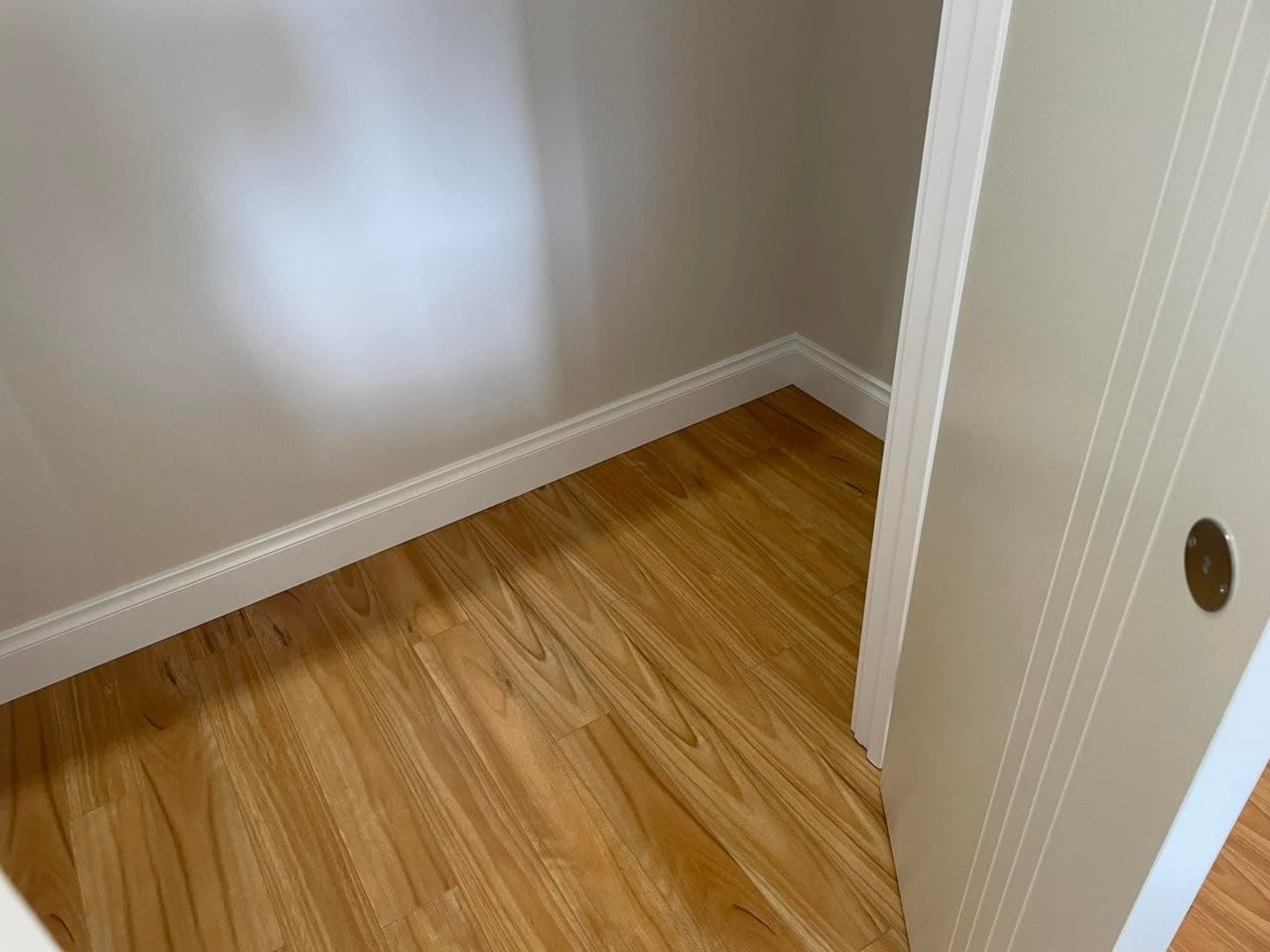

Maintaining the paintwork on timber features is essential, especially in Perth’s unique climate. The city’s weather conditions can be harsh, with hot, dry summers and wet, windy winters. These extreme conditions demand careful consideration when it comes to preserving the lifespan of painted surfaces. This article will explore essential care tips for painted timber and provide insights into creating a unified and cohesive design throughout your educational facilities in Victoria Park. By following these expert recommendations, you can ensure that your painted timber surfaces remain in pristine condition.
Understanding Perth’s Climate and Its Effects on Painted Timber
Perth experiences a Mediterranean climate, characterised by warm to hot, dry summers and mild, wet winters. The city is also prone to strong winds, particularly during the cooler months. These weather conditions can take a toll on painted timber surfaces, accelerating the deterioration process.
During the hot summer days, the sun’s UV rays can cause the paint to fade and crack, while the dry air can lead to timber shrinking and warping. In contrast, the wet winter conditions can result in moisture absorption, causing the timber to expand and contract, leading to paint cracking and peeling. Strong winds can expedite these issues, dislodging flaking paint and exposing the timber to further damage.
Essential Care Tips for Painted Timber in Perth
To ensure the longevity of painted timber in Perth’s climate, consider the following care tips:
- – **Regular Cleaning**: Gently clean painted timber surfaces with a soft brush or cloth to remove dirt, dust, and debris. This prevents the build-up of grime, which can accelerate paint deterioration.
- – **Timely Repairs**: Keep an eye out for any paint chips, cracks, or peeling. Address these issues promptly by sanding and repainting the affected areas. This prevents further damage and maintains the integrity of the paintwork.
- – **Protective Coatings**: Apply a clear, protective coating to the painted surface. This extra layer provides added protection against the elements, repels moisture, and guards against UV rays.
- – **Ventilation and Shade**: Where possible, provide adequate ventilation and shade to painted timber surfaces. This helps regulate temperature and moisture levels, reducing the impact of extreme weather conditions.
Unify Mismatched Rooms for a Cohesive Design
Mismatched rooms can be a common issue in educational facilities, especially when different areas have been painted or refurbished at various times. To create a cohesive design throughout your property, consider the following tips:
- – **Choose a Unifying Colour Palette**: Select a colour scheme that complements the existing paintwork and unifies the space. Neutral colours, such as warm greys or soft beiges, can create a sense of harmony and connection between rooms.
- – **Use Accents Consistently**: Introduce accent colours or design elements consistently throughout the space. This could be a feature wall colour, a particular design motif, or a specific trim colour that ties the rooms together.
- – **Play with Texture**: Incorporate texture through paint finishes or decorative elements to add interest and a sense of unity. For example, a subtle textured paint finish in one room can be echoed with textured soft furnishings or wall art in another.
- – **Connect with Trim and Details**: Pay attention to the trim and details, such as skirting boards, door frames, and window sills. Painting these features in a consistent colour or finish throughout the space can create a subtle sense of cohesion.
FAQs
Q: How often should I repaint timber surfaces?
A: Depending on the exposure to the elements and the quality of previous paintwork, it is generally recommended to repaint exterior timber surfaces every 3 to 7 years. Interior timber surfaces may last longer, with a recommended repainting timeframe of 5 to 10 years. However, it’s important to regularly inspect the paintwork and address any issues promptly.
Q: What are the signs that my painted timber needs maintenance?
A: Keep an eye out for paint chips, cracks, or peeling. Other signs include fading or discolouration, timber rot or mould, and exposed or bare timber. It’s important to address these issues promptly to prevent further damage and maintain the integrity of the timber.
Q: How do I deal with flaking or peeling paint?
A: Flaking or peeling paint is a common issue, especially in Perth’s climate. First, gently remove any loose or flaking paint with a scraper or wire brush. Then, sand the affected area to create a smooth surface. Ensure you remove all dust before applying a suitable primer and repainting the surface.
Q: What type of paint is best for timber in Perth’s climate?
A: Acrylic paints are generally recommended for Perth’s climate as they are flexible and can withstand the extreme weather conditions. Look for paints with added UV protection to reduce fading and cracking due to sun exposure. Oil-based paints can also be an option, providing a durable and glossy finish, but they may take longer to dry and require more careful application.
Q: Are there benefits to hiring a professional painting service?
A: Hiring a professional painting service, such as VJC Painting, offers several advantages. Professionals have the expertise and experience to deliver high-quality results, ensuring a durable and aesthetically pleasing finish. They can also provide colour consultation services to help you create a cohesive design. Additionally, professional painters have the necessary equipment and safety training to complete the job efficiently and safely.
Key Information
| Topic | Summary |
| ——————– | ————————————————————————————————————————————————————————————————————————– |
|---|---|
| Care Tips | Regular cleaning, timely repairs, protective coatings, and ventilation are essential. |
| Cohesive Design | A unifying colour palette, consistent accents, texture play, and attention to trim details create a cohesive space. |
| Repainting | Repaint exterior timber every 3 to 7 years and interiors every 5 to 10 years, depending on exposure and previous paintwork. |
| Professional Advice | VJC Painting offers expert services, ensuring high-quality results, colour consultation, and safe work practices. They navigate climate challenges and deliver a cohesive, long-lasting paint finish for educational facilities in Victoria Park. |
| Climate Challenges | Perth’s Mediterranean climate brings hot, dry summers and wet, windy winters, impacting painted timber with UV damage, timber warping, and moisture absorption. | | Care Tips | Regular cleaning, timely repairs, protective coatings, and ventilation are essential. | | Cohesive Design | A unifying colour palette, consistent accents, texture play, and attention to trim details create a cohesive space. | | Repainting | Repaint exterior timber every 3 to 7 years and interiors every 5 to 10 years, depending on exposure and previous paintwork. | | Professional Advice | VJC Painting offers expert services, ensuring high-quality results, colour consultation, and safe work practices. They navigate climate challenges and deliver a cohesive, long-lasting paint finish for educational facilities in Victoria Park. |
Maintaining painted timber in Perth’s unique climate requires careful attention and regular care. By understanding the impact of the city’s weather conditions and following essential maintenance tips, you can prolong the lifespan of your painted timber surfaces. Creating a unified and cohesive design throughout your educational facilities not only enhances the aesthetic appeal but also contributes to a sense of harmony and connection in the space.
Get in touch with VJC Painting today to discuss your specific needs and let our expert team guide you through the process of transforming and maintaining your educational facilities in Victoria Park. With our professional services, you can achieve a beautiful, cohesive space that stands the test of time in Perth’s climate.
These articles are drafted with AI assistance and should be considered general information not professional advice or information Learn More